
Screen Time for Preschoolers: What Experts Recommend
In today’s digital world, screens are everywhere—from televisions and tablets to smartphones and computers. Many parents wonder: How much screen time is okay for preschoolers? And how can families balance technology with healthy childhood development?
Early childhood experts agree that while screens can be useful learning tools, moderation and mindful use are key—especially during the preschool years, when children’s brains are developing rapidly.
At our preschool, we believe in supporting families with evidence‑informed guidance. Here’s what experts recommend about screen time for preschool‑aged children—and how parents can create healthy habits at home.
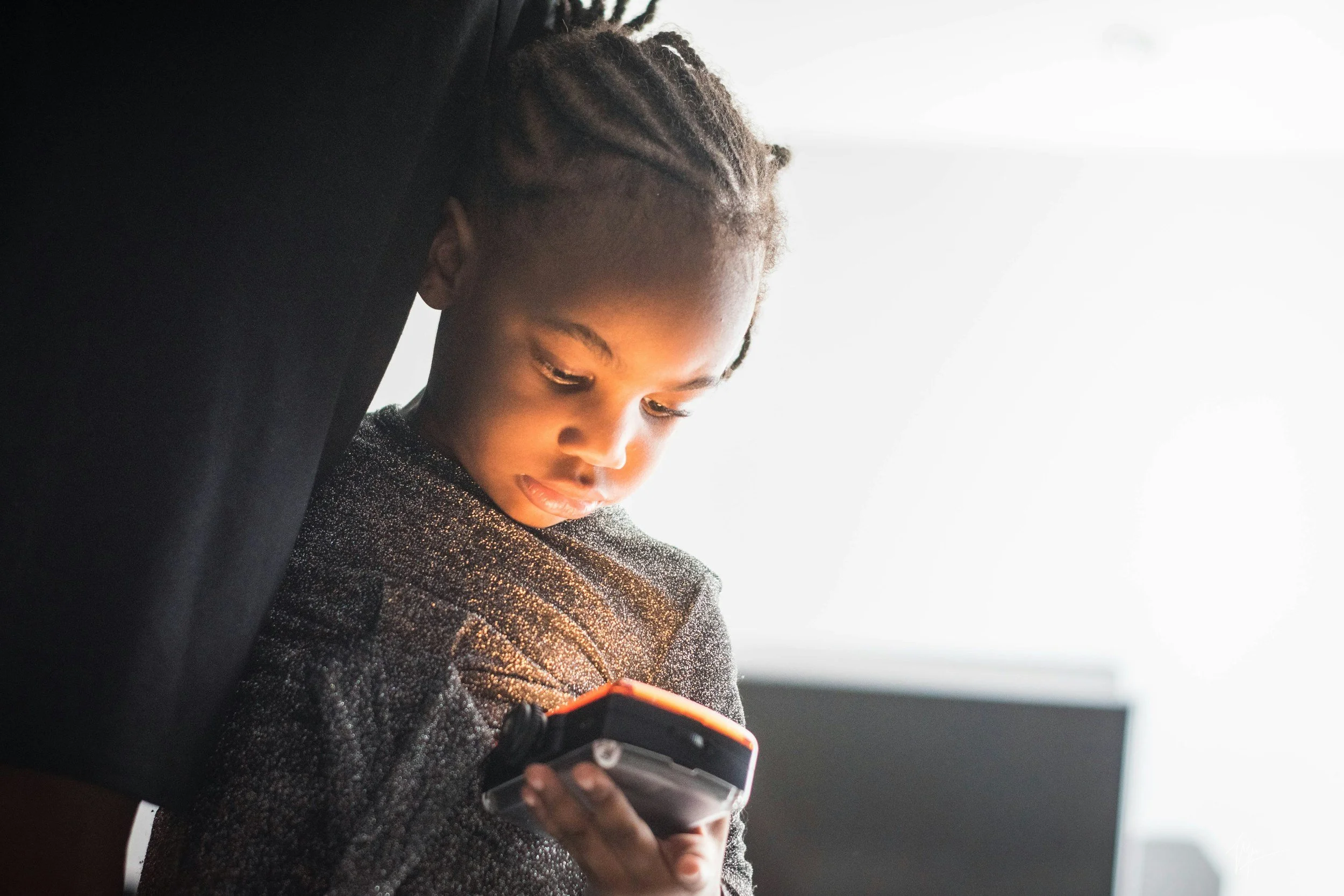
Why Screen Time Matters in Early Childhood
Preschoolers (ages 3–5) learn best through hands‑on play, social interaction, and real‑world experiences. Activities such as building blocks, pretend play, drawing, outdoor movement, and story time strengthen:
Language and communication skills
Social and emotional development
Problem‑solving and creativity
Gross and fine motor skills
Excessive screen time can replace these critical experiences. Research shows that too much screen use at a young age may be linked to challenges with attention, sleep, physical activity, and social interaction when not properly balanced.
How Much Screen Time Do Experts Recommend?
According to American Academy of Pediatrics (Screen Time Guidelines):
Children ages 2–5 should have no more than one hour of screen time per day
Screen time should be high‑quality, educational, and age‑appropriate
Adults should watch and engage with children, rather than using screens as a babysitter
This means not all screen time is equal. A short, interactive educational program watched together is very different from passive or unsupervised viewing.
What Counts as “High‑Quality” Screen Time?
Not all digital content is harmful. In fact, when used thoughtfully, screens can support learning. High‑quality screen time for preschoolers includes:
Educational programs designed for young children
Interactive apps that encourage thinking, storytelling, or problem‑solving
Videos that promote kindness, emotional awareness, or early literacy
Content free from fast pacing, ads, or violent imagery
Most importantly, children benefit most when adults talk about what they’re watching, ask questions, and help them connect lessons to everyday life.
Potential Risks of Too Much Screen Time
When screen time goes beyond recommended limits, preschoolers may experience:
Reduced physical activity
Difficulty falling or staying asleep
Fewer opportunities to practice social skills
Increased irritability or dependency on screens for entertainment
Screens before bedtime are especially challenging, as blue light can disrupt natural sleep rhythms. Experts recommend turning off screens at least one hour before bedtime.
Healthy Screen Time Tips for Parents
Creating balance doesn’t mean eliminating screens altogether—it means using them intentionally. Here are expert‑approved tips for families:
1. Create Clear Limits
Set consistent daily or weekly screen time boundaries so children know what to expect.
2. Prioritize Play‑Based Learning
Encourage hands‑on activities like puzzles, art, music, outdoor play, and pretend games.
3. Be a Role Model
Children imitate adults. Limiting your own screen use during family time sends a powerful message.
4. Choose Content Carefully
Look for trusted educational programs and apps designed specifically for preschoolers.
5. Engage Together
Ask questions during or after screen use:
“What did you learn?”
“How did that character feel?”
“What would you do differently?”
Our Preschool’s Approach to Screen Time
At our preschool, we focus on play‑based, screen‑free learning environments that support the whole child. Our daily activities emphasize:
Social interaction and communication
Creative exploration and imagination
Physical movement and outdoor play
Early literacy and numeracy through hands‑on experiences
When technology is introduced, it is minimal, intentional, and always guided by educators who understand early childhood development.
Supporting Healthy Development Together
Screen time doesn’t have to be a battle. With clear boundaries, thoughtful choices, and open communication between parents and educators, preschoolers can grow up with healthy relationships to technology—without sacrificing curiosity, creativity, or connection.