
Getting Little Hands Involved: Encouraging Preschoolers to Help with Household Chores
At preschool age, children are naturally curious, eager to learn, and thrilled to feel “grown-up.” One of the best ways to nurture independence and responsibility is by involving them in simple household chores. Not only does this build practical life skills, but it also supports confidence, teamwork, and a sense of belonging in the family.
Here’s how to make chores a positive and engaging experience for your preschooler.
🌱 Why Start Chores Early?
Preschoolers (ages 3-5) are at an ideal stage to begin helping at home. At this age, children:
Love to imitate adults
Enjoy hands-on activities
Thrive when given responsibility
When included in daily routines, children begin to understand that their contributions matter. This fosters self-esteem and teaches them that being part of a household means helping one another.
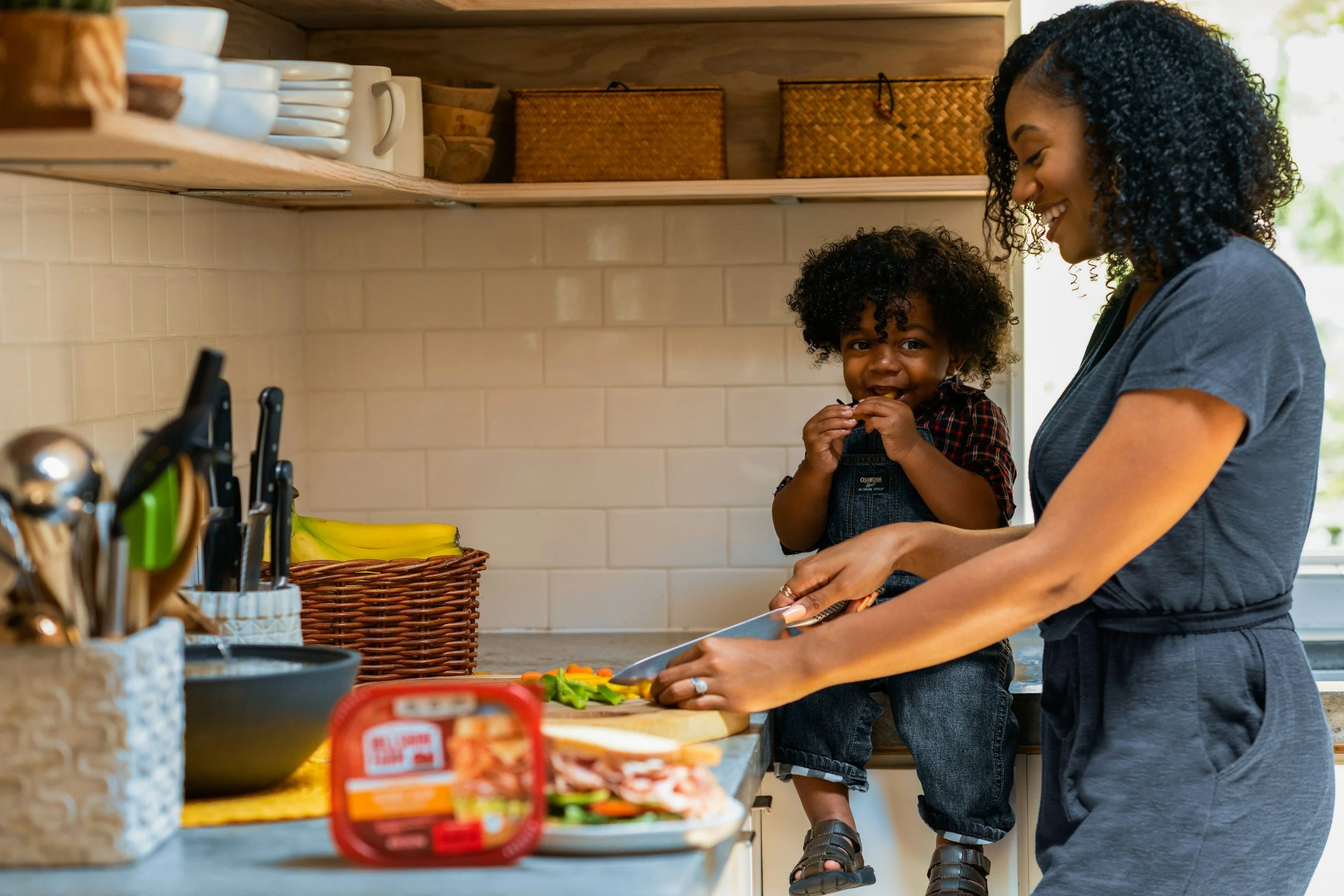
🧺 Age-Appropriate Chores for Preschoolers
Keep expectations realistic and tasks simple. Some great starter chores include:
Tidying toys before bedtime
Putting laundry in a basket
Wiping tables with a cloth
Helping set the table (non-breakable items)
Watering plants
Sorting socks or laundry by color
Focus on effort, not perfection - spills, crooked placements, and mismatched socks are all part of the learning process!
🎉 Make It Fun and Engaging
Chores don’t have to feel like work. Preschoolers respond best when tasks are playful:
Turn chores into games: “Let’s see who can clean up the fastest!”
Use music: A favorite song can make cleanup time enjoyable
Create mini challenges: “Can you find all the red toys?”
Use colorful tools: Child-sized brooms or fun sponges can spark excitement
By keeping things lighthearted, chores become something your child looks forward to rather than avoids.
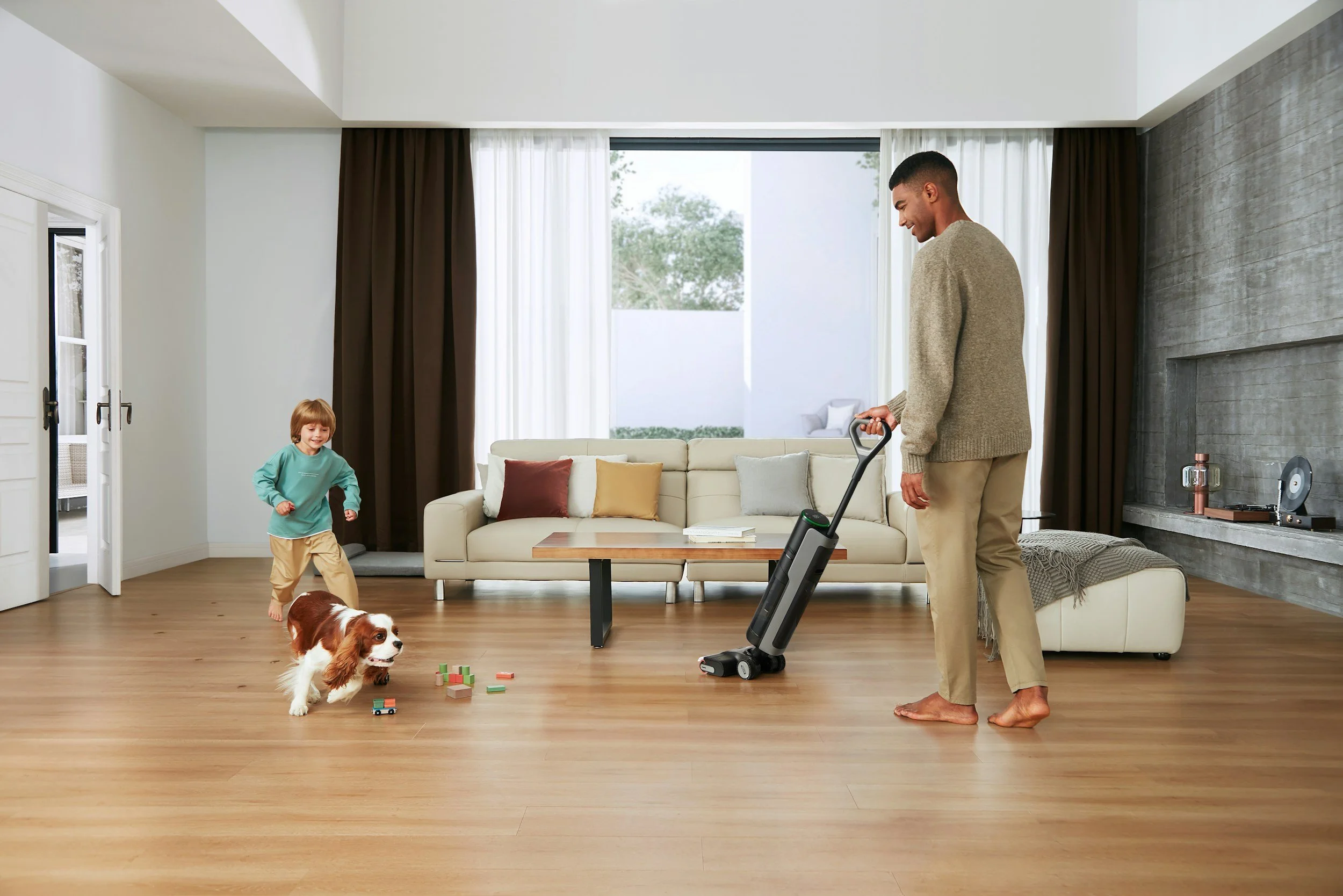
🧠 Teach Step-by-Step
Young children benefit from clear, simple instructions. Instead of saying, “Clean your room,” try:
“First, pick up your blocks.”
“Now put them in the bin.”
“Next, gather your books.”
Breaking tasks into small steps makes them manageable and helps prevent frustration.
💬 Offer Encouragement and Praise
Positive reinforcement goes a long way. Instead of focusing on what wasn’t done perfectly, highlight the effort:
“You worked so hard putting your toys away!”
“Thank you for helping - it made a big difference!”
This builds motivation and reinforces the idea that contributing is valuable.
⏰ Build Chores into Daily Routines
Consistency is key. When chores are part of everyday life, children begin to expect and accept them.
Cleanup time after play
Helping set the table before meals
Quick tidy-up before bedtime
Routine creates structure, and preschoolers thrive on predictable patterns.
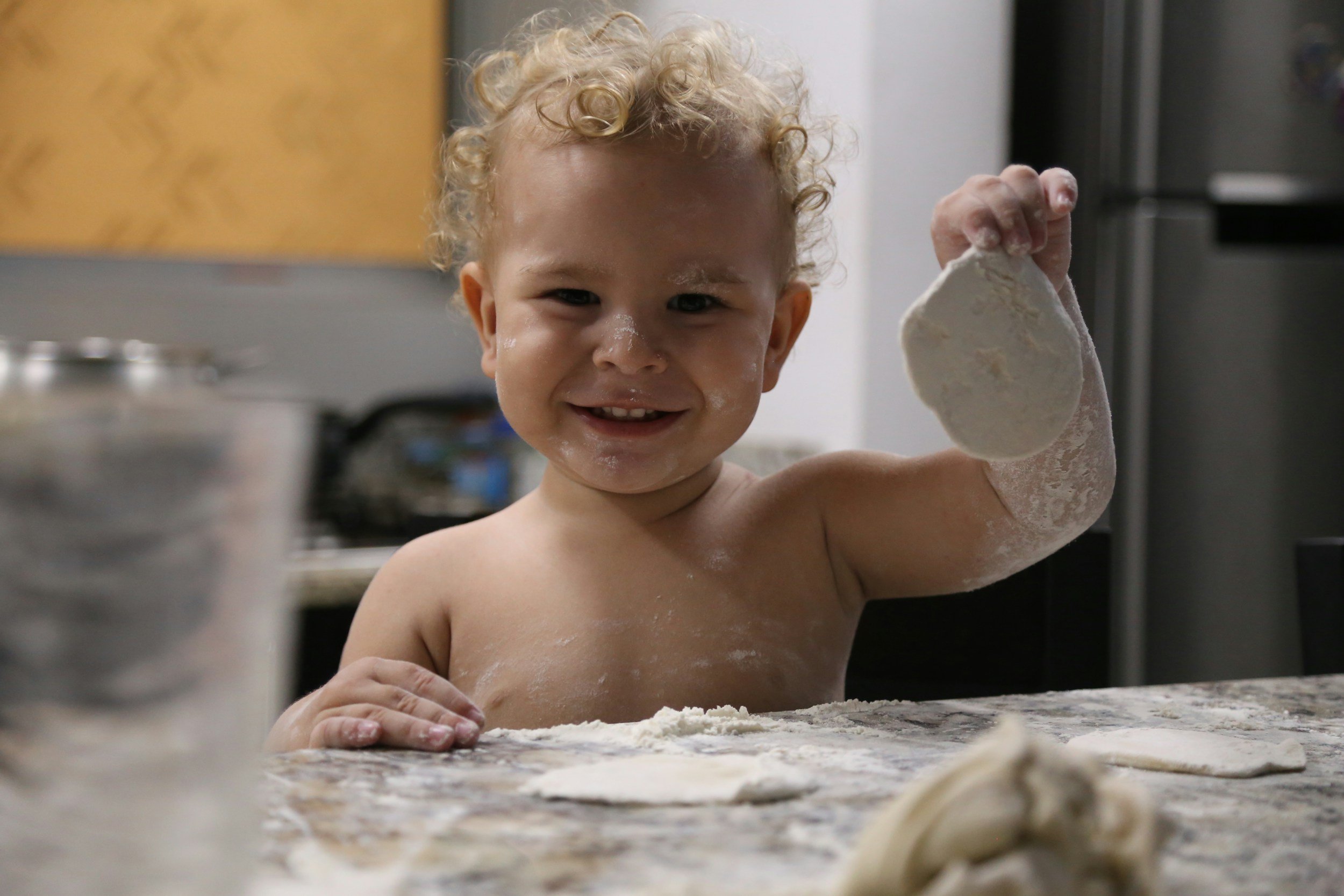
🤝 Be a Role Model
Children learn by watching. When they see adults participating in chores with a positive attitude, they are more likely to follow along.
Try narrating what you’re doing:
“I’m washing the dishes so we can have clean plates. Want to help me dry?”
This invites cooperation and turns chores into shared experiences.
🌟 Celebrate Small Wins
Even the smallest contributions deserve recognition. Consider:
A sticker chart for consistent effort
A family “thank-you moment” at the end of the day
Letting your child show their work to others
Celebrating effort - not outcomes - helps build confidence and a sense of accomplishment.
❤️ Final Thoughts
Including preschoolers in household chores is about more than just getting help - it’s about nurturing capable, confident, and cooperative little individuals. By making chores fun, manageable, and meaningful, you’re laying the groundwork for independence and responsibility that will last a lifetime.
At our daycare/preschool center, we encourage children to participate in “classroom jobs” for the same reasons—because when children feel capable, they thrive.
Tip for Parents: Start small, stay patient, and enjoy the process. Every little helping hand is a big step toward growing independence!